
Camille Monfort: The Enigmatic Opera Singer and Urban Legend
Introduction
The name Camille Monfort carries an air of mystery, elegance, and haunting beauty. Often described as a talented opera singer who became part of one of the most intriguing urban legends in South American cultural history, her story blends fact, folklore, and imagination. Depending on the source, Camille Monfort is portrayed as a real 19th-century artist who performed in elite social circles or as a mythic figure whose presence continues to echo through stories of the Amazon’s golden age.
Her legend is especially tied to the glamorous yet mysterious period of wealth in Manaus, Brazil, during the rubber boom era, when European culture, architecture, and high society flourished in the heart of the Amazon rainforest. Whether entirely historical or partially fictional, Camille Monfort represents a fascinating intersection of art, beauty, tragedy, and myth.
This article explores everything known and believed about Camille Monfort, including her background, artistic life, the legends surrounding her, possible theories of her fate, and her lasting cultural influence.
Early Life and Origins
The origins of Camille Monfort are shrouded in uncertainty, which is part of what makes her story so captivating. Some accounts describe her as a French-born opera singer who traveled to South America during the late 19th century. Others suggest she may have been born in Brazil to European immigrant parents, raised in a culturally rich environment influenced by European classical music and theater.
From a young age, she is said to have shown extraordinary musical talent. Her voice was often described in legends as ethereal and emotionally powerful, capable of captivating aristocratic audiences. In an era where opera was one of the highest forms of artistic expression, Camille’s abilities placed her among the elite performers of her imagined time.
Her education, according to romanticized accounts, likely included classical vocal training, piano, and exposure to French and Italian opera traditions. These influences shaped her artistic identity and later contributed to her mythical status as a symbol of refined beauty and tragic elegance.
Arrival in Manaus and the Rubber Boom Era
One of the most significant parts of Camille Monfort’s story is her connection to Manaus during the rubber boom period (late 19th to early 20th century). At this time, Manaus became one of the wealthiest cities in the world due to the global demand for rubber. Wealthy rubber barons transformed the city into a cultural hub, complete with European-style opera houses, luxury goods, and extravagant social life.
It is within this opulent environment that Camille Monfort is said to have performed. The most iconic venue associated with her legend is the Amazon Theatre, an architectural masterpiece built to reflect European grandeur in the middle of the rainforest.
Camille’s performances, according to legend, attracted elite audiences, including businessmen, politicians, and foreign visitors. Her stage presence was described as hypnotic, and her voice allegedly carried emotional depth that left audiences deeply moved.
However, beyond her artistic presence, she also became a figure of fascination due to her mysterious personality. She was said to be introverted, enigmatic, and often surrounded by rumors that made her even more intriguing to society.
The Legend of Camille Monfort
Over time, Camille Monfort’s story evolved beyond biography into legend. Various myths surround her life, many of which cannot be historically verified but remain widely retold.
The “Vampire of the Amazon” Theory
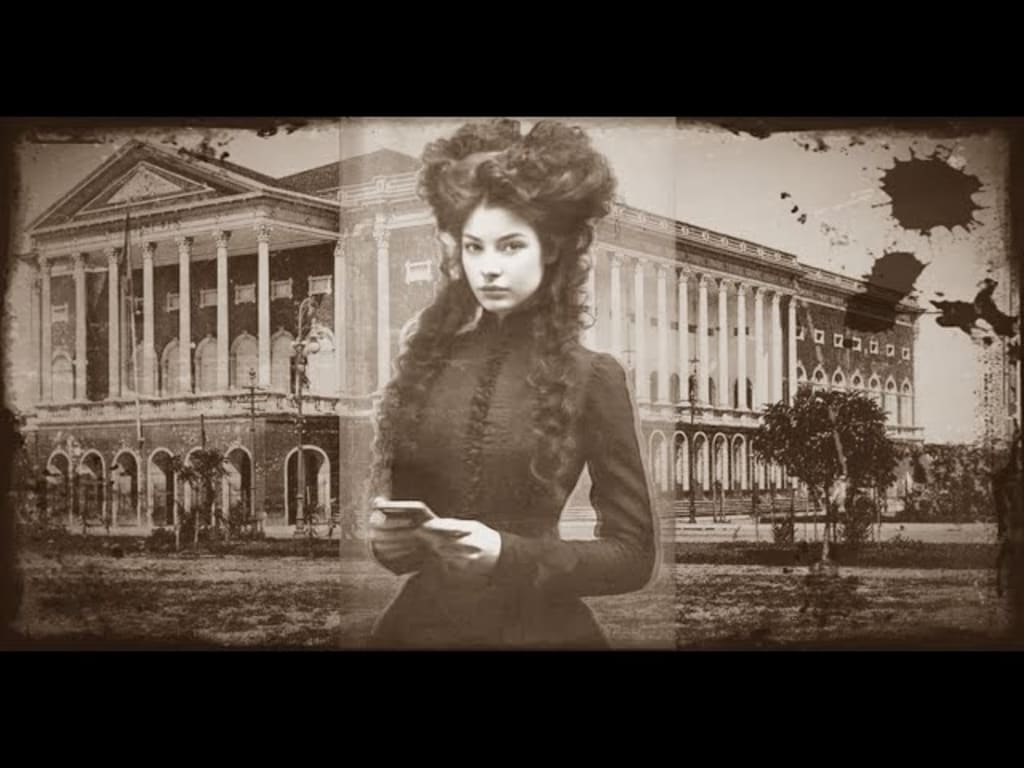
One of the most famous legends portrays Camille Monfort as a supernatural being, sometimes described as a vampire-like figure. According to this version, she was not entirely human or had been transformed through mysterious circumstances. Stories claim she appeared only at night, had an unnatural beauty, and possessed an eerie charm that influenced those around her.
Some versions suggest she would attend social gatherings in Manaus but remain distant, observing rather than participating fully. Her pale complexion and melancholic presence contributed to rumors of her being otherworldly.
The Ill-Fated Artist
Another interpretation of her legend is more grounded and tragic. In this version, Camille Monfort was a gifted but emotionally fragile artist who struggled with loneliness and the pressures of fame. The isolation of living in the Amazon, combined with the demanding expectations of high society, may have contributed to her downfall.
Her beauty and talent, while celebrated, also isolated her, turning her into a symbol of unreachable perfection.
Personality and Artistic Style
Camille Monfort is often described as a deeply emotional performer. Her artistic identity, as portrayed in stories, was shaped by romanticism, a movement that emphasized emotion, beauty, and individual expression.
Her singing style is believed to have focused on operatic arias that expressed themes of love, loss, and longing. She was said to perform with such intensity that audiences felt personally connected to the emotions she expressed on stage.
Offstage, she was characterized as reserved, introspective, and mysterious. She did not engage heavily in public social life, which further fueled speculation about her private world.
Death and Disappearance Theories
Perhaps the most debated aspect of Camille Monfort’s story is her disappearance or death. There is no definitive historical record confirming what happened to her, which has led to multiple theories:
1. Natural Death Theory
Some accounts suggest she died young due to illness, which was common in tropical regions during that era. Diseases such as malaria and yellow fever were widespread, and many residents of Manaus were affected.
2. Return to Europe
Another theory proposes that she returned to Europe after her time in Brazil, possibly to continue her career or live a more private life away from fame.
3. Tragic Romantic Ending
In more poetic versions of her story, Camille Monfort died of heartbreak or emotional despair, possibly linked to a romantic tragedy. This interpretation fits the romanticized nature of her legend.
4. Mythological Transformation
In folklore-heavy versions, she did not die at all but instead transformed into a spirit or eternal figure associated with the Amazon. This explains why her presence continues in stories and cultural memory.
Cultural Impact and Legacy
Despite uncertainty about her historical existence, Camille Monfort has become an enduring cultural symbol. Her story reflects themes that resonate deeply with literature and art:
- The mystery of beauty and fame
- The loneliness of artistic brilliance
- The clash between civilization and nature
- The romanticism of forgotten histories
She is often referenced in discussions of Amazonian folklore, opera history, and South American cultural mythology. Writers and historians use her figure to explore how legends are created when history and imagination merge.
In modern interpretations, Camille Monfort represents the idea of the “lost artist”—someone whose legacy survives more in memory and storytelling than in documented fact.
Camille Monfort in Modern Interpretations
Today, Camille Monfort continues to inspire novels, artistic works, online discussions, and historical curiosity. She is sometimes portrayed in literature as a gothic heroine, a tragic diva, or a supernatural muse of the Amazon rainforest.
Her story also attracts interest from researchers studying how myths develop around real or semi-real historical figures. The lack of concrete evidence about her life makes her an ideal subject for reinterpretation.
In digital culture, Camille Monfort’s legend is often shared as part of mysterious historical storytelling, blending fact-checking curiosity with romantic imagination.
Why Her Story Still Fascinates People
There are several reasons why Camille Monfort remains an intriguing figure:
- Mystery: Lack of verified records creates curiosity.
- Romantic Era Setting: The Belle Époque of Manaus adds glamour.
- Opera and Art: Her association with music elevates her cultural appeal.
- Supernatural Elements: Folklore adds emotional depth.
- Tragic Beauty Archetype: She fits the classic figure of the doomed artist.
Together, these elements make her story timeless and adaptable to different interpretations.
FAQs
Who was Camille Monfort?
Camille Monfort is described as a mysterious opera singer associated with the Amazon’s rubber boom era and surrounding legends in Manaus, Brazil.
Was Camille Monfort a real person?
There is no fully verified historical record confirming her existence, though she is widely discussed in cultural folklore.
Where did Camille Monfort perform?
She is most commonly associated with elite venues in Manaus, particularly during the height of the rubber boom period.
Why is Camille Monfort famous?
She is famous due to the combination of her supposed artistic talent and the mysterious legends surrounding her life and death.
What is the Vampire of the Amazon story?
It is a myth suggesting Camille Monfort had supernatural qualities, including nocturnal appearances and an eerie presence.
Did Camille Monfort die young?
Some versions of her story suggest she died young due to illness or tragedy, but nothing is confirmed.
Is there any historical evidence about her?
Evidence is limited and largely anecdotal, making her more of a folkloric figure than a confirmed historical personality.
What is her connection to Manaus?
She is linked to Manaus during its period of extreme wealth and cultural development in the rubber boom era.
Why do people still talk about her?
Her mysterious story, combined with themes of beauty, art, and tragedy, continues to fascinate audiences.
Is Camille Monfort part of literature or myth?
She exists in a blend of folklore, historical speculation, and cultural storytelling rather than confirmed literature or biography.
Conclusion
Camille Monfort remains one of those rare figures who exist at the boundary between history and myth. Whether she was a real opera singer whose life became exaggerated over time or a completely fictional creation inspired by the golden age of Manaus, her story continues to captivate the imagination.
She represents more than just a person—she symbolizes the allure of mystery, the fragility of fame, and the power of storytelling to transform history into legend. In many ways, Camille Monfort is not just a figure of the past but an eternal character in cultural memory, forever singing in the echoes of the Amazon’s forgotten opera halls.
You May Read Also