The Complete Guide to Becoming an Esthetician
The beauty and skincare industry has grown into a thriving global market, offering countless opportunities for individuals passionate about helping others look and feel their best. Among the most rewarding roles in this space is that of an esthetician—a trained professional specializing in skincare treatments, beauty techniques, and client wellness.
Whether you’re considering entering the field or simply curious about what estheticians do, this comprehensive guide explores everything you need to know about this dynamic career. From daily responsibilities to training requirements and career growth, we’ll walk you through the fascinating world of esthetics.
What Is an Esthetician?
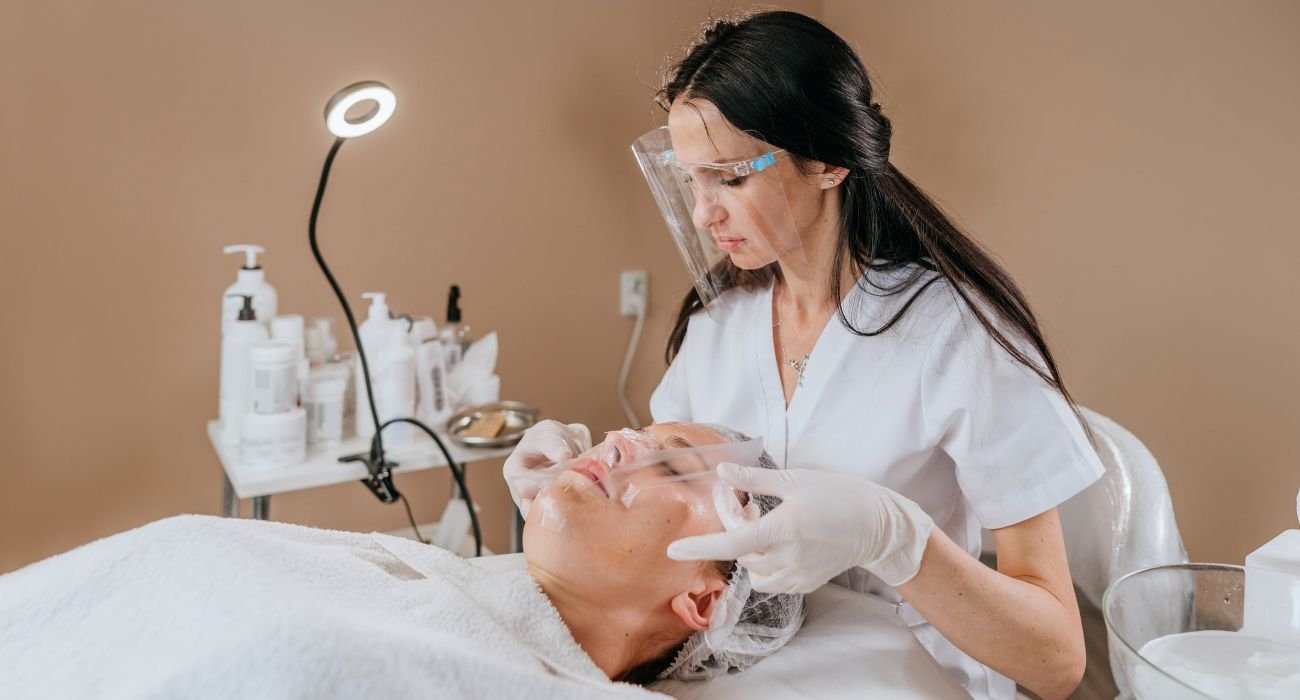
An esthetician is a licensed skincare specialist who provides cosmetic treatments aimed at improving the health and appearance of the skin. Unlike dermatologists, who focus on medical skin conditions, estheticians concentrate on cosmetic care such as facials, exfoliation, hair removal, and skin rejuvenation.
Their work often combines science, art, and customer service, making it both technically demanding and creatively fulfilling.
What Does an Esthetician Do?
The daily tasks of an esthetician vary depending on their workplace, but common responsibilities include:
- Performing facials and skin treatments
- Conducting skin analysis and recommending products
- Providing hair removal services like waxing or threading
- Offering body treatments such as scrubs and wraps
- Educating clients about skincare routines
- Maintaining hygiene and sterilization standards
- Managing appointments and client records
In many cases, estheticians also serve as trusted advisors, helping clients build confidence through better skincare practices.
Types of Estheticians
The field of esthetics is diverse, offering multiple specialization paths:
1. Spa Esthetician
Works in spas or salons providing relaxation-focused treatments like facials and massages.
2. Medical Esthetician
Operates in clinical settings alongside healthcare professionals, assisting with advanced treatments such as chemical peels and laser therapy.
3. Freelance Esthetician
Offers mobile or home-based services, often building a personal brand and client base.
4. Cosmetic Esthetician
Focuses on makeup application, skincare consultations, and beauty enhancements.
5. Advanced Esthetician
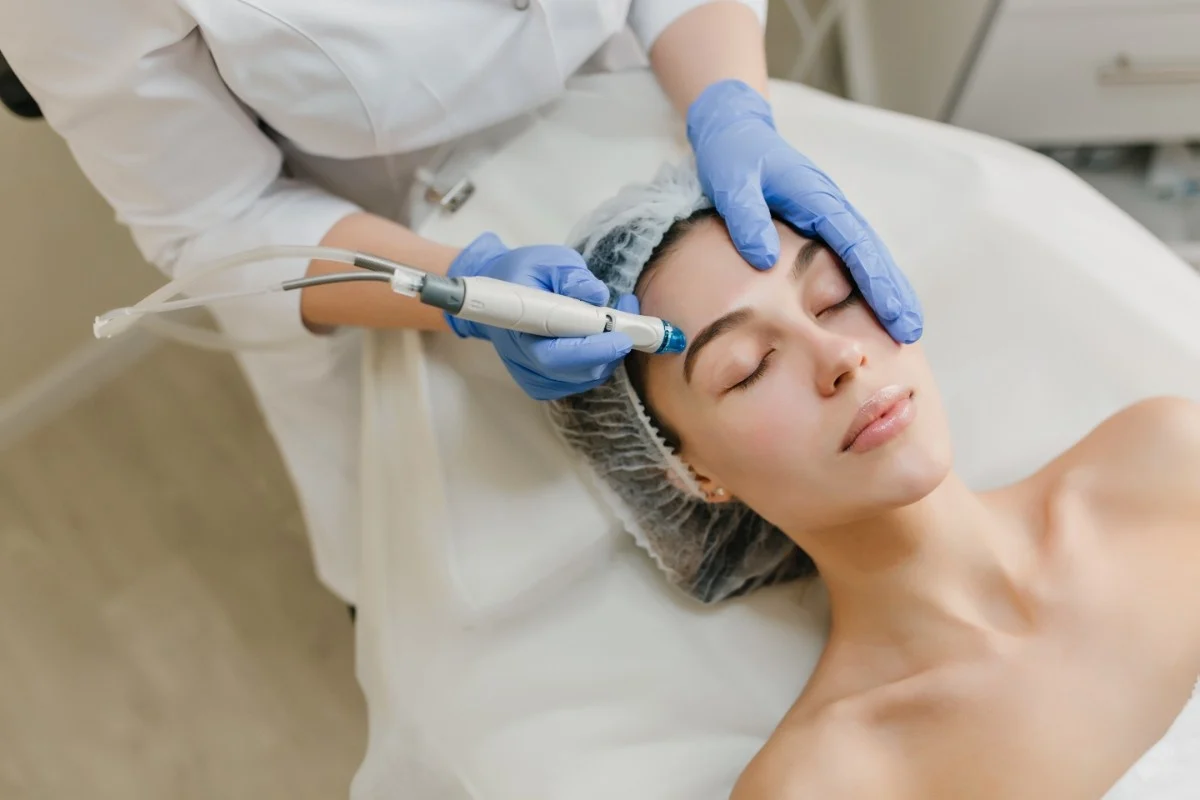
Specializes in high-end treatments including microdermabrasion, LED therapy, and anti-aging procedures.
Skills Every Esthetician Needs
Success in esthetics requires a blend of technical expertise and interpersonal skills:
Technical Skills
Understanding skin types, conditions, and treatments is essential. Estheticians must be trained in product usage, tools, and hygiene practices.
Communication Skills
Clear communication helps in understanding client needs and explaining treatments effectively.
Attention to Detail
Precision is crucial when performing procedures like extractions or waxing.
Customer Service
Building trust and ensuring client satisfaction are key to long-term success.
Business Skills
For those running their own practice, marketing, scheduling, and financial management are equally important.
How to Become an Esthetician
The journey to becoming an esthetician typically involves several steps:
Step 1: Complete a Training Program
Enroll in a recognized esthetics program at a beauty school or institute. These programs usually take 6 months to 1 year.
Step 2: Gain Practical Experience
Hands-on training is essential. Most programs include practical sessions where students practice on real clients.
Step 3: Obtain a License
Licensing requirements vary by region, but typically involve passing a written and practical exam.
Step 4: Start Working
Once licensed, you can begin working in salons, spas, or medical facilities.
Step 5: Continue Education
The beauty industry evolves rapidly. Advanced courses help you stay competitive and expand your skill set.
Esthetician Tools and Equipment
An esthetician relies on various tools to deliver effective treatments:
- Facial steamers
- Extraction tools
- Microdermabrasion machines
- LED therapy devices
- Waxing kits
- Skincare products
Proper maintenance and sanitation of these tools are essential for client safety and professional credibility.
Work Environments for Estheticians
Estheticians can work in a variety of settings:
Spas and Salons
The most common workplace, offering a wide range of beauty services.
Medical Clinics
Collaborating with doctors to provide advanced skincare treatments.
Resorts and Cruise Ships
Providing luxury services in high-end environments.
Freelance or Home-Based
Operating independently with flexible schedules.
Retail Stores
Working with skincare brands to provide consultations and product recommendations.
Salary and Earning Potential
Earnings for estheticians vary based on experience, location, and specialization.
- Entry-level estheticians earn modest incomes
- Experienced professionals can earn significantly more
- Tips and commissions often boost income
- Freelancers may have higher earning potential
With dedication and a strong client base, estheticians can achieve financial stability and growth.
Career Growth Opportunities
The esthetics field offers numerous advancement options:
- Becoming a spa manager or owner
- Specializing in advanced skincare treatments
- Teaching at beauty schools
- Launching a skincare product line
- Becoming a beauty influencer or consultant
Continuous learning and networking play a vital role in career progression.
Benefits of Being an Esthetician
Choosing a career in esthetics comes with several advantages:
- Creative and hands-on work
- Opportunity to help people feel confident
- Flexible work schedules
- Growing industry demand
- Potential for entrepreneurship
For those passionate about beauty and wellness, it can be an incredibly fulfilling career.
Challenges in the Esthetician Career
While rewarding, the profession also has its challenges:
- Physically demanding work
- Irregular working hours
- Building a client base takes time
- Keeping up with industry trends
- Managing difficult clients
However, with persistence and dedication, these challenges can be successfully managed.
Importance of Skincare Knowledge
A deep understanding of skincare is the foundation of esthetics. This includes:
- Skin anatomy
- Common skin conditions
- Product ingredients
- Treatment techniques
Knowledge allows estheticians to provide safe and effective services tailored to individual needs.
Trends in the Esthetics Industry
The beauty industry is constantly evolving. Current trends include:
- Organic and natural skincare
- Personalized treatments
- Advanced technology like laser and LED therapy
- Social media-driven beauty trends
- Holistic wellness approaches
Staying updated with trends helps estheticians remain competitive.
How to Build a Loyal Client Base
Success as an esthetician depends heavily on client relationships:
- Provide consistent quality service
- Maintain professionalism
- Offer personalized experiences
- Follow up with clients
- Encourage referrals
Satisfied clients often become repeat customers and brand advocates.
Marketing Tips for Estheticians
Effective marketing can significantly boost your career:
- Use social media platforms
- Share before-and-after results
- Offer promotions and discounts
- Build an online presence
- Collaborate with influencers
A strong personal brand helps attract and retain clients.
FAQs
What qualifications do you need to become an esthetician?
You need to complete a certified training program and obtain a license.
How long does it take to become an esthetician?
Typically between 6 months to 1 year, depending on the program.
Is being an esthetician a good career?
Yes, it offers growth, creativity, and flexibility.
Can estheticians perform medical procedures?
No, they perform cosmetic treatments, not medical procedures.
What is the difference between an esthetician and a cosmetologist?
Estheticians focus on skincare, while cosmetologists cover hair, nails, and beauty services.
Do estheticians earn good money?
Income varies, but experienced estheticians can earn well.
Can I work from home as an esthetician?
Yes, many estheticians operate home-based or mobile businesses.
What are the most popular esthetician services?
Facials, waxing, chemical peels, and skincare consultations.
Do estheticians need to renew their license?
Yes, most regions require periodic license renewal.
Is the esthetics industry growing?
Yes, demand for skincare services continues to rise globally.
Conclusion
The esthetician profession offers a unique blend of science, creativity, and human connection. It’s a career that allows you to make a tangible difference in people’s lives by enhancing their confidence and well-being. While it requires dedication, training, and continuous learning, the rewards—both personal and professional—are substantial.
Whether you dream of working in a luxury spa, running your own skincare business, or becoming a trusted beauty expert, the path of an esthetician is filled with exciting opportunities. With the right skills, passion, and commitment, you can build a successful and fulfilling career in this ever-evolving industry.
You May Read Also